From Farm to Jar: How BIOMIXA Colostrum Is Made
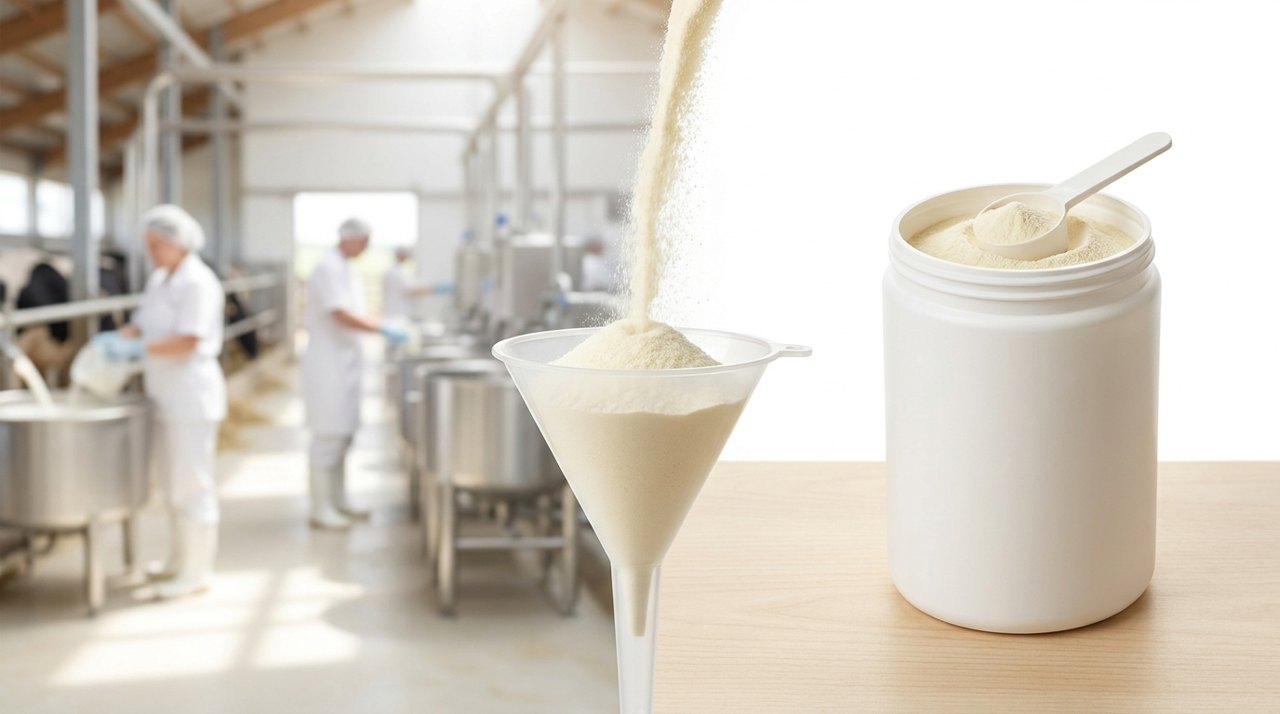
Every jar of colostrum on the market makes the same basic promise: nutrient-dense first milk from cows, dried into a powder. But the distance between a mediocre colostrum and an exceptional one is decided long before anything reaches a jar — in the timing of collection, the health of the herd, the gentleness of processing, and the honesty of testing. Here's an inside look at how we make Bluegrass Colostrum, step by step, and why each decision matters more than the label copy suggests.
It Starts With the Herd
Colostrum is only as good as the cows who produce it. Our colostrum comes from grass-fed dairy herds raised on American pasture, where cows graze the way ruminants are built to. We work with farms that follow pasture-based practices and prioritize herd health, because a well-cared-for cow produces colostrum naturally rich in immunoglobulins, growth factors, and other bioactive compounds.
One point we're often asked about: does collecting colostrum shortchange the calf? It shouldn't, and on the farms we work with, it doesn't. Cows typically produce far more colostrum than a newborn calf can consume — calves are always fed first, and only the genuine surplus is collected. Ethical sourcing isn't a marketing flourish here; it's the only way this category should work.
The 6-Hour Window: Why Timing Is Everything
If you remember one thing from this article, make it this: colostrum changes fast. A cow's first milking after calving is the most concentrated — richest in IgG and other immunoglobulins, lactoferrin, proline-rich polypeptides, and growthfactors. With each subsequent milking, those levels drop as colostrum transitions toward regular milk. By 24 to 48 hours postpartum, the composition has shifted substantially.
That's why we collect from the first milking, within 6 hours of calving. It's a narrower window than much of the industry uses, and it's logistically harder — but it's the difference between "colostrum" as a technical label and colostrum captured at its genuine peak. If you're curious about the specific immune proteins this timing preserves, our explainer on What Is IgG? breaks them down in plain language.
From Raw Colostrum to Powder
Once collected, colostrum is perishable and must be handled carefully to protect its fragile bioactive components. Here's the sequence:
- Chilling: Fresh colostrum is rapidly cooled on-farm to slow any degradation before transport.
- Screening: Batches are checked for quality and consistency before they enter processing.
- Gentle drying: The colostrum is dried into a fine powder using low-heat methods designed to preserve heat-sensitive proteins rather than cook them off.
- Milling & blending: The dried colostrum is milled to a uniform, easily mixable powder.
Why the fuss about heat? Many of colostrum's most interesting compounds — immunoglobulins and growth factors among them — are proteins, and proteins can denature under high temperatures. Aggressive, high-heat drying is cheaper and faster, but it risks degrading the very components people take colostrum for. Lower-temperature processing is slower and more expensive, and we think that trade-off is worth making.
What we leave out
Just as important as what goes in is what doesn't. Our Bluegrass Colostrum is 100% pure colostrum — unflavored, with no fillers, no sweeteners, no anti-caking agents, and no added milk solids to pad the weight. When a colostrum powder tastes sweet or mixes suspiciously smoothly, that's often a sign of additives. Ours tastes like what it is.
Third-Party Testing: Trust, but Verify
"Grass-fed" and "pure" are easy words to print on a jar. Independent verification is harder to fake. Every batch of our colostrum is third-party tested, meaning an outside lab — not us — checks it. Testing generally covers:
| What's checked | Why it matters |
|---|---|
| Identity & composition | Confirms it's genuine colostrum with the expected profile |
| Microbial safety | Screens for harmful bacteria and contamination |
| Heavy metals | Verifies levels fall within safe limits |
| Purity | Confirms no undisclosed additives or fillers |
Third-party testing doesn't make colostrum a miracle — no supplement is — but it does mean you can trust that what's on the label is what's in the jar.
Made in the USA
Our colostrum is sourced and manufactured in the United States, in facilities that follow current Good Manufacturing Practices (cGMP). Keeping the supply chain domestic gives us tighter control over that critical timeline from calving to collection to drying — the same timeline that makes the 6-hour window possible in the first place.
How This Shapes Your Experience
All of this upstream care is ultimately about what ends up in your glass. A few practical notes:
- It's unflavored and pure, so it mixes into water, milk, smoothies, or yogurt without competing with other flavors.
- Timing your dose is a common question — we cover the reasoning in Should You Take Colostrum on an Empty Stomach?
- If you're sensitive to dairy, colostrum is a dairy-derived product and does contain some lactose; our piece on colostrum and lactose intolerance walks through what that may mean for you.
Colostrum is often discussed for its potential role in gut and immune support, and research into its bioactive components is genuinely interesting — though much of it is still early, and individual responses vary. It's a dietary supplement, not a cure for anything, and it tends to work best as one considered part of a broader routine. If you're weighing it alongside other gut-support options, our comparison of colostrum vs. probiotics may help you think it through.
From the pasture to the 6-hour collection window to the low-heat drying and independent testing, every step is a small decision to protect what makes colostrum worth taking in the first place. That's the standard we hold ourselves to — quietly, batch after batch.
These statements have not been evaluated by the Food and Drug Administration. This product is not intended to diagnose, treat, cure, or prevent any disease.