Why Third-Party Testing Matters for Colostrum (and How to Check It)
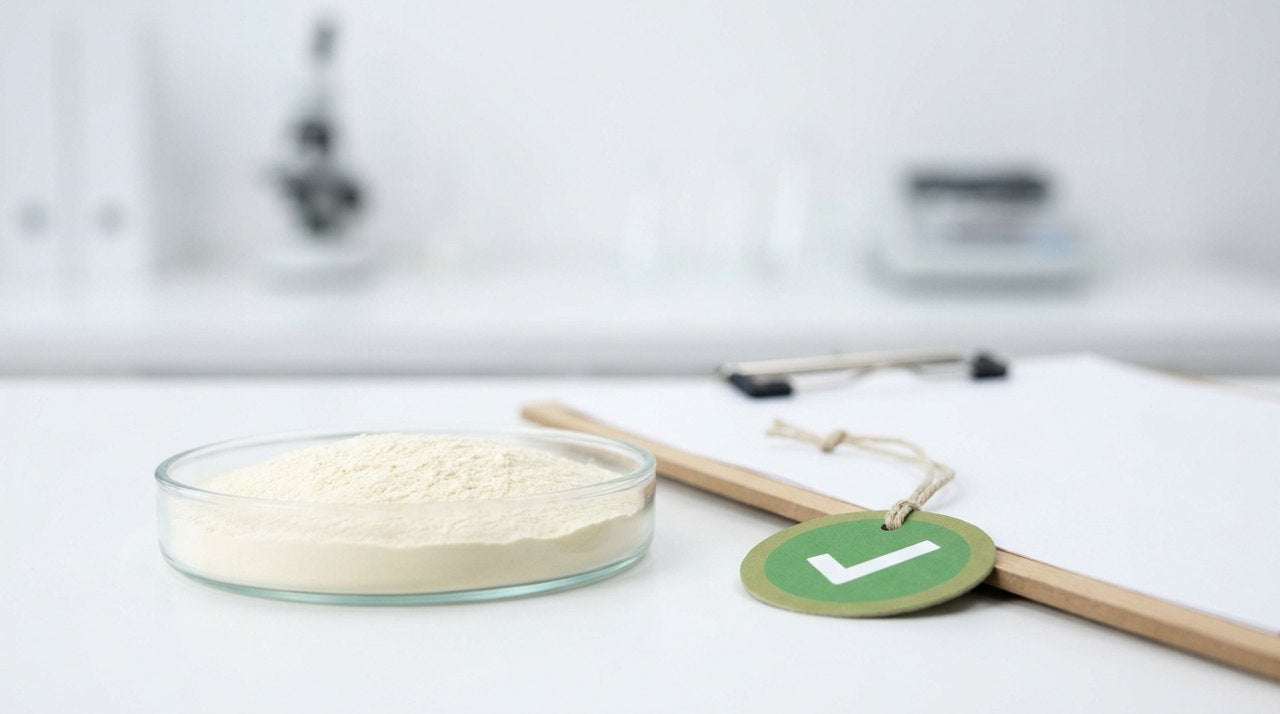
Colostrum is one of those supplements where what's on the label and what's in the jar can be two very different things. Because it's a biological product — the first milk a cow produces after calving — its quality depends on timing, handling, and processing in ways that are invisible to you once it's a powder. Third-party testing is the closest thing you have to opening the jar and seeing for yourself. Here's why it matters so much for colostrum in particular, and how to actually verify a brand's claims rather than taking them on faith.
What "third-party tested" actually means
In supplement marketing, "tested" is doing a lot of work. Every manufacturer tests something — that's just quality control. Third-party testing means an independent laboratory, with no financial stake in the results, analyzed the finished product and documented what it found. The manufacturer can't edit the numbers, and the lab's reputation depends on getting them right.
This matters because dietary supplements in the United States aren't pre-approved by the FDA the way drugs are. Manufacturers are responsible for their own compliance, and enforcement mostly happens after a problem surfaces. Independent testing fills that gap voluntarily. A brand that pays an outside lab to check its work — and shows you the results — is telling you it expects to pass.
Why colostrum needs it more than most supplements
Plenty of supplements are simple, stable compounds. Colostrum isn't. Several things can quietly go wrong between the farm and your kitchen counter:
- Collection timing changes everything. True colostrum comes from the first milkings after calving; immunoglobulin concentration drops steeply within the first day. Powder made from later "transitional" milk looks identical but contains far less of what people buy colostrum for. Testing can reveal the difference; the label alone can't.
- Heat degrades the good stuff. Immunoglobulins like IgG are proteins, and aggressive heat processing can denature them. A product may technically contain IgG that is no longer intact. Verified IgG levels in the finished powder — not the raw material — are the honest measure.
- Dilution and fillers are easy to hide. Colostrum is expensive to produce. Cutting it with skim milk powder, maltodextrin, or flow agents is cheap and hard to detect by taste or appearance.
- It's an animal product. That brings real contamination questions: microbial safety, antibiotic residues, and heavy metals that can concentrate through feed and soil.
We covered some of the marketing folklore around colostrum in 5 Colostrum Myths It's Time to Retire — but the short version is that impressive-sounding claims and actual verified composition don't always travel together.
What a good test panel covers
Not all certificates of analysis are equally meaningful. Here's what a thorough panel for colostrum should include, and why each piece matters:
| Test | What it checks | Why it matters |
|---|---|---|
| IgG content | Immunoglobulin G percentage in the finished powder | The main marker of colostrum quality and early collection; low numbers suggest late milking or heat damage |
| Microbiology | Total plate count, yeast, mold, E. coli, Salmonella | Basic safety for a minimally processed dairy product |
| Heavy metals | Lead, arsenic, cadmium, mercury | These can accumulate in animal products via feed and environment |
| Antibiotic residues | Common veterinary drug residues | Confirms the herd wasn't treated in ways that carry into the product |
| Composition | Protein, fat, moisture; sometimes adulterant screening | Flags dilution with milk powder or fillers |
If a brand only shows one of these — usually IgG, because it's the selling point — that's better than nothing, but it's an incomplete picture.
How to actually check a brand's testing
Verifying takes about five minutes. Here's the process we'd suggest for any colostrum product, including ours:
- Ask for the certificate of analysis (CoA). Reputable brands publish it or send it on request. A refusal, or a vague "we test everything in-house," is an answer in itself.
- Check who did the testing. The lab's name should be on the document. Search it — accredited independent labs (look for ISO/IEC 17025 accreditation) are easy to confirm.
- Match the lot number. The CoA should reference a specific batch, ideally one you can match to the number printed on your jar. A single undated report reused forever tells you about one batch, once.
- Look at how IgG was measured. Methods matter. Radial immunodiffusion (RID) and validated ELISA are the respected approaches; if no method is listed, the number is hard to interpret.
- Read the actual values, not just "pass." A real report shows measured results against specification limits. Numbers invite scrutiny; checkmarks don't.
How we approach it
Transparency is easier when there's nothing to hide, which is partly why we keep Bluegrass Colostrum deliberately simple: 100% grass-fed bovine colostrum collected within six hours of calving, nothing added, made in the USA, and third-party tested batch by batch. Because there are no flavors, sweeteners, or fillers in the jar, the test results describe colostrum and only colostrum. If you're curious what happens between the pasture and the powder — and where testing fits into that chain — From Farm to Jar walks through the whole process.
A note on what testing can and can't tell you
It's worth being honest about the limits. Third-party testing verifies identity, purity, and safety — it confirms you're getting genuine, uncontaminated, early-collection colostrum. What it doesn't do is guarantee outcomes. Research on bovine colostrum's role in supporting gut and immune health is genuinely promising but still developing, and colostrum is a dietary supplement, not a treatment for any condition. Testing tells you the product is what it claims to be; your own experience, ideally alongside a conversation with your healthcare provider, tells you whether it's right for you.
The good news: once you know what a real certificate of analysis looks like, you can evaluate any supplement brand in minutes. Ask for the paperwork. The brands doing things properly will be glad you did.
These statements have not been evaluated by the Food and Drug Administration. This product is not intended to diagnose, treat, cure, or prevent any disease.