5 Colostrum Myths It's Time to Retire
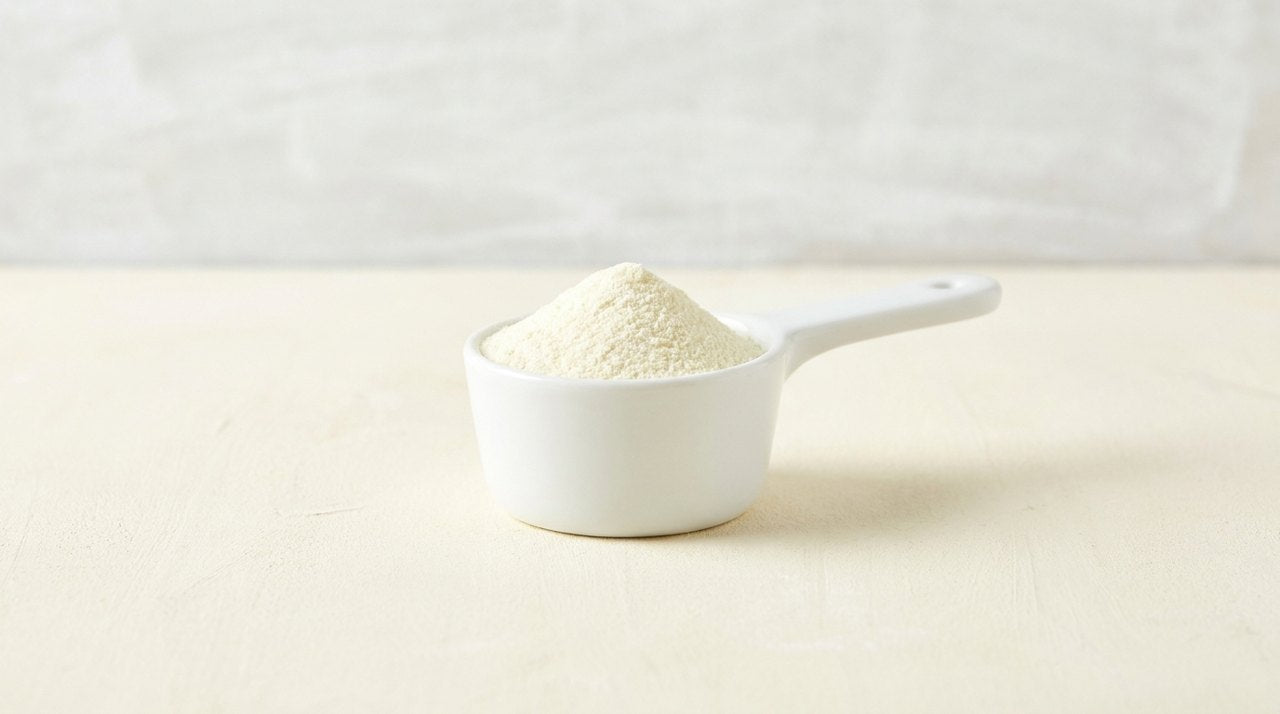
Colostrum has gone from farm-country secret to one of the most talked-about supplements in wellness — and, as usually happens when something gets popular fast, the myths have multiplied right alongside the interest. Some of them oversell colostrum as a miracle; others dismiss it for reasons that don't hold up. Both kinds of myth make it harder to decide whether colostrum deserves a place in your routine. So let's clear the air. Here are five of the most persistent colostrum myths, and what the evidence actually suggests.
Myth #1: "Colostrum is only for newborns"
It's true that colostrum — the first milk a mother produces after giving birth — evolved to give newborns a running start. It's dense with immunoglobulins, lactoferrin, growth factors, and other bioactive compounds that help a brand-new immune system and gut get established.
But "designed for newborns" doesn't mean "useless for everyone else." Many of those same compounds appear to remain biologically active in adults. Research suggests bovine colostrum's immunoglobulins may interact with microbes in the digestive tract, and its bioactive proteins may support the gut lining — which is exactly why athletes, frequent travelers, and people focused on digestive wellness have taken an interest. The adult evidence base is still growing, and results vary between studies, but the idea that colostrum's usefulness expires after infancy simply isn't supported.
Myth #2: "It's basically just expensive milk"
Colostrum and mature milk come from the same animal, but compositionally they're quite different. Colostrum is produced only in the first hours after calving, and it's concentrated in components that largely fade from milk within days.
| Component | Colostrum (first milking) | Mature milk |
|---|---|---|
| Immunoglobulins (IgG, IgA, IgM) | Highly concentrated | Trace amounts |
| Lactoferrin | Abundant | Present, but far lower |
| Growth factors (IGF-1, TGF-β) | Naturally occurring | Minimal |
| Proline-rich polypeptides | Present | Negligible |
It's also not interchangeable with whey protein. Whey is prized for its amino acid profile as a muscle-building fuel; colostrum is taken for its bioactive compounds, not its protein grams. Different tools, different jobs. The same logic applies to probiotics — colostrum isn't a substitute for them, and they may actually complement each other, which we explored in Colostrum vs. Probiotics: Rivals or Teammates for Gut Health?
Myth #3: "Harvesting colostrum takes it away from calves"
This is the myth we hear most often, and it deserves a straight answer, because it's rooted in a legitimate concern.
Here's the reality on well-run dairy farms: cows naturally produce significantly more colostrum than a single calf can consume — often two to three times as much. Responsible producers feed the calf first, always. Only the genuine surplus is collected for supplements. No reputable colostrum brand should be shorting calves, and any brand worth your trust should be able to explain exactly how its supply chain protects them.
We've documented our own process — from calf-first feeding protocols on Kentucky grass-fed farms through low-heat processing — in From Farm to Jar: How BIOMIXA Colostrum Is Made, if you'd like to see what that looks like in practice.
Myth #4: "All colostrum supplements are basically the same"
If there's one myth that costs consumers real money, it's this one. Colostrum products vary enormously, and the label rarely makes the differences obvious. Three factors matter most:
1. Collection timing
Colostrum's bioactive concentration drops steeply after birth. Immunoglobulin levels begin declining within hours, and by the second or third milking, the composition is already shifting toward transitional milk. Products made from first-milking colostrum collected within the first six hours capture the window when those compounds peak; products made from later milkings are, biologically speaking, a different substance sold under the same name.
2. What's actually in the jar
Some products blend colostrum with fillers, flow agents, sweeteners, or milk powder to cut costs. A short ingredient list — ideally a single ingredient — tells you what you're really getting. This is precisely why we made Bluegrass Colostrum nothing but 100% pure, grass-fed, first-milking colostrum harvested within six hours of calving — no additives, no flavoring, no shortcuts.
3. Verification
Third-party testing is the only way to confirm that potency claims and purity claims hold up. If a brand doesn't test — or won't share results — treat its numbers as marketing rather than measurement.
Myth #5: "Colostrum is a miracle cure" (or its cousin: "It does nothing at all")
The internet offers two extreme takes on colostrum, and honesty requires rejecting both.
Colostrum is not a cure, a treatment, or a replacement for medical care — full stop. No supplement is, and any brand implying otherwise is overstepping what the science can support. Some areas of colostrum research, like its effects on exercise-related gut permeability or immune markers, show genuinely encouraging results; others remain preliminary, with small studies and mixed findings. That's the honest state of the evidence.
But "not a miracle" doesn't mean "worthless." A steady body of research suggests colostrum's bioactive compounds may support gut barrier integrity and normal immune function — modest, foundational benefits that many people find worth having, particularly during physically demanding periods like intense training or frequent travel. The reasonable posture sits between the extremes: interested, consistent, and realistic about timelines. Most people who take colostrum give it several weeks of daily use before judging what it does for them.
The takeaway
Colostrum doesn't need mythology — in either direction. It's a food with an unusually rich biological résumé, backed by promising (if still-maturing) research, and its value depends heavily on how it's sourced, when it's collected, and whether it's kept pure. Ask those questions of any colostrum on your shelf, retire the myths above, and you'll be in a good position to decide whether it belongs in your routine.
These statements have not been evaluated by the Food and Drug Administration. This product is not intended to diagnose, treat, cure, or prevent any disease.